
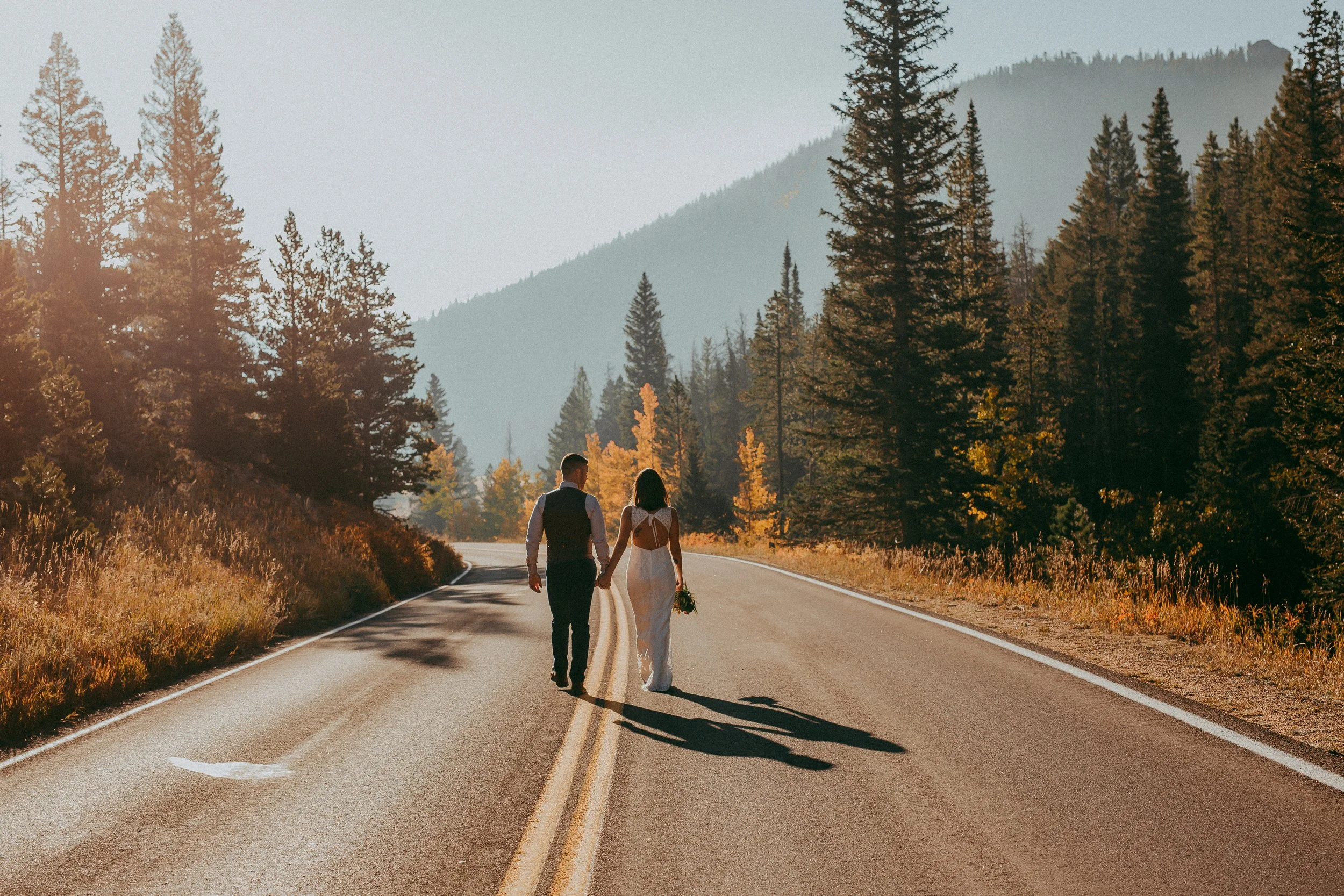
Colorado Small Wedding & Elopement Location Guides
Hey there! My name’s Iver Marjerison.
I’m a Colorado wedding planner and officiant, and the founder of Colorado MicroWeddings, and over the past seven years, I’ve helped plan hundreds of small weddings and elopements across Colorado.
These Colorado small wedding and elopement guides are here to give you clear, honest information before you choose a location. Each guide breaks down what actually matters: permits and rules, guest limits, best times of year and day, crowd considerations, and the real pros and cons of getting married there. Nothing here is sponsored by venues, and nothing is written just to sell — it’s based on locations I actively work at and ceremonies I help plan.
If you’re early in the process and trying to figure out where and how to get married in Colorado without the stress of a big traditional wedding, this page is meant to help you narrow things down with confidence. Once you know the location that feels right, you can decide whether you want help planning it — but these guides are designed to stand on their own, even if you never book a package.
Did you just start planning?
You may want to start with our Colorado Small Wedding & Elopement Guide, which walks through how the planning process works, timelines, and what to expect when planning a small wedding in Colorado.
Denver Small Wedding & Elopement Guides
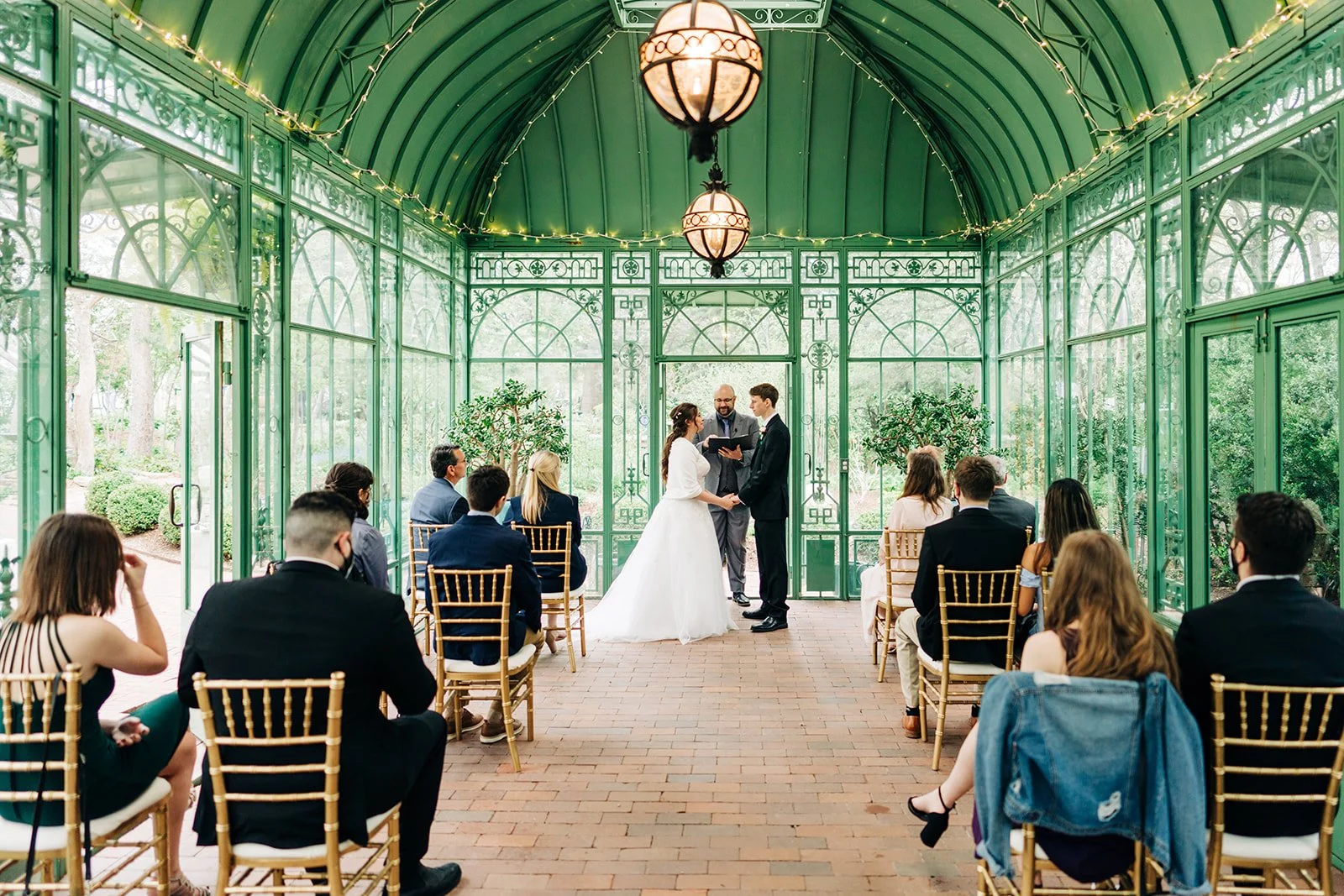
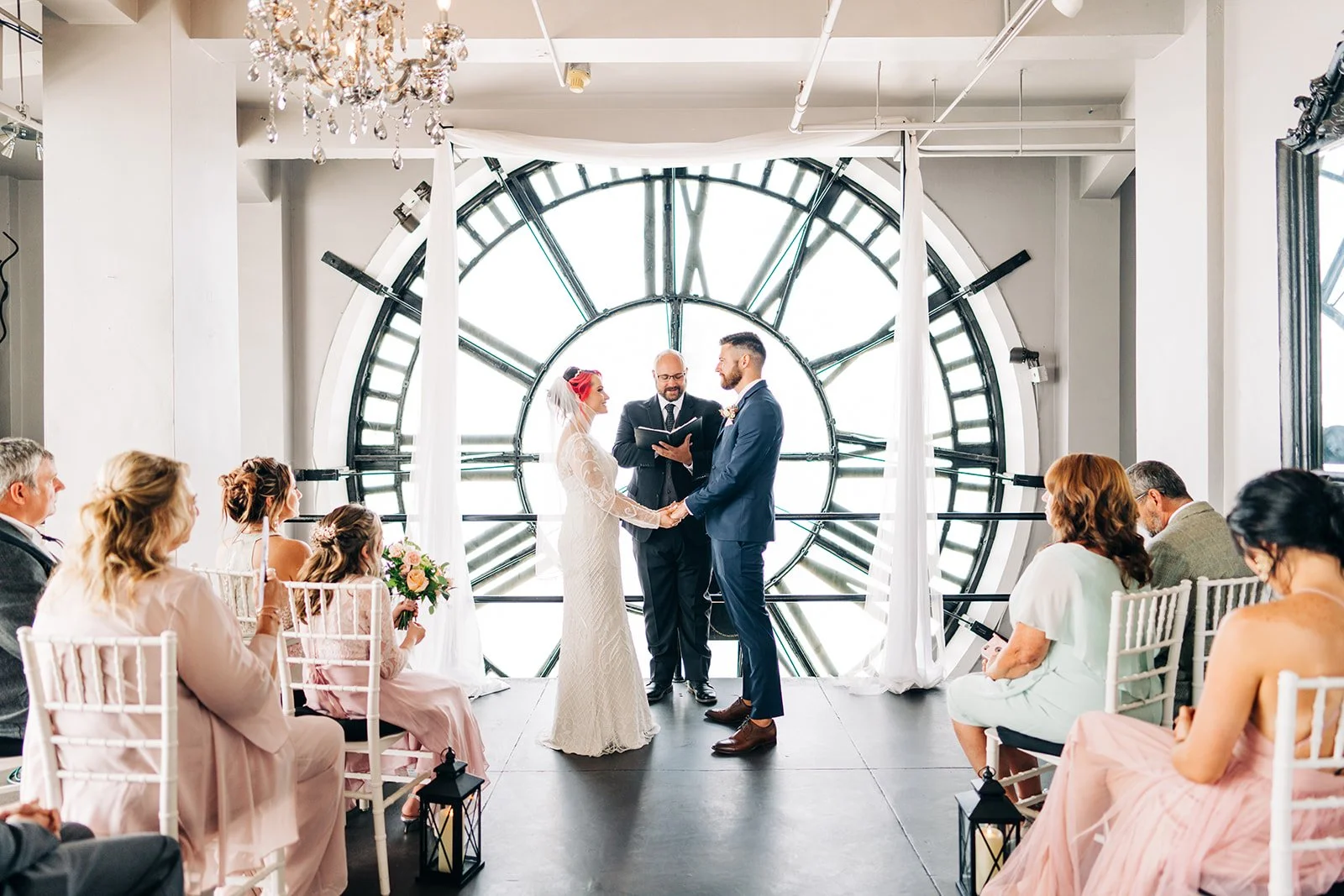
Denver offers a very different small-wedding experience than Colorado’s mountain and public-land locations. Most Denver ceremonies take place at managed venues rather than open public spaces, which means clearer rules, more predictable logistics, and less concern about crowds or enforcement. For couples who want an urban setting, architectural character, or garden scenery without the uncertainty that comes with public land, Denver can be a strong option.
Popular times of year for Denver small weddings and elopements typically run from late spring through early fall, when weather is most reliable and outdoor garden spaces are fully in bloom. Winter ceremonies are also common at indoor venues, especially for couples prioritizing convenience and availability over scenery. The biggest advantages of Denver locations are accessibility, vendor coordination, and fewer permit surprises. The tradeoffs tend to be higher venue costs and less privacy compared to remote or public-land locations.
The guides below focus on two of the most commonly considered Denver venues for small weddings: the historic Clocktower in downtown Denver, known for its indoor setting and clockface view, and the Denver Botanic Gardens, which offers multiple garden ceremony options with a more structured permit and venue process. Each guide walks through how these locations actually work for small weddings and elopements, including timing considerations, guest limits, and what couples should realistically expect when planning there.
Boulder Small Wedding & Elopement Guides
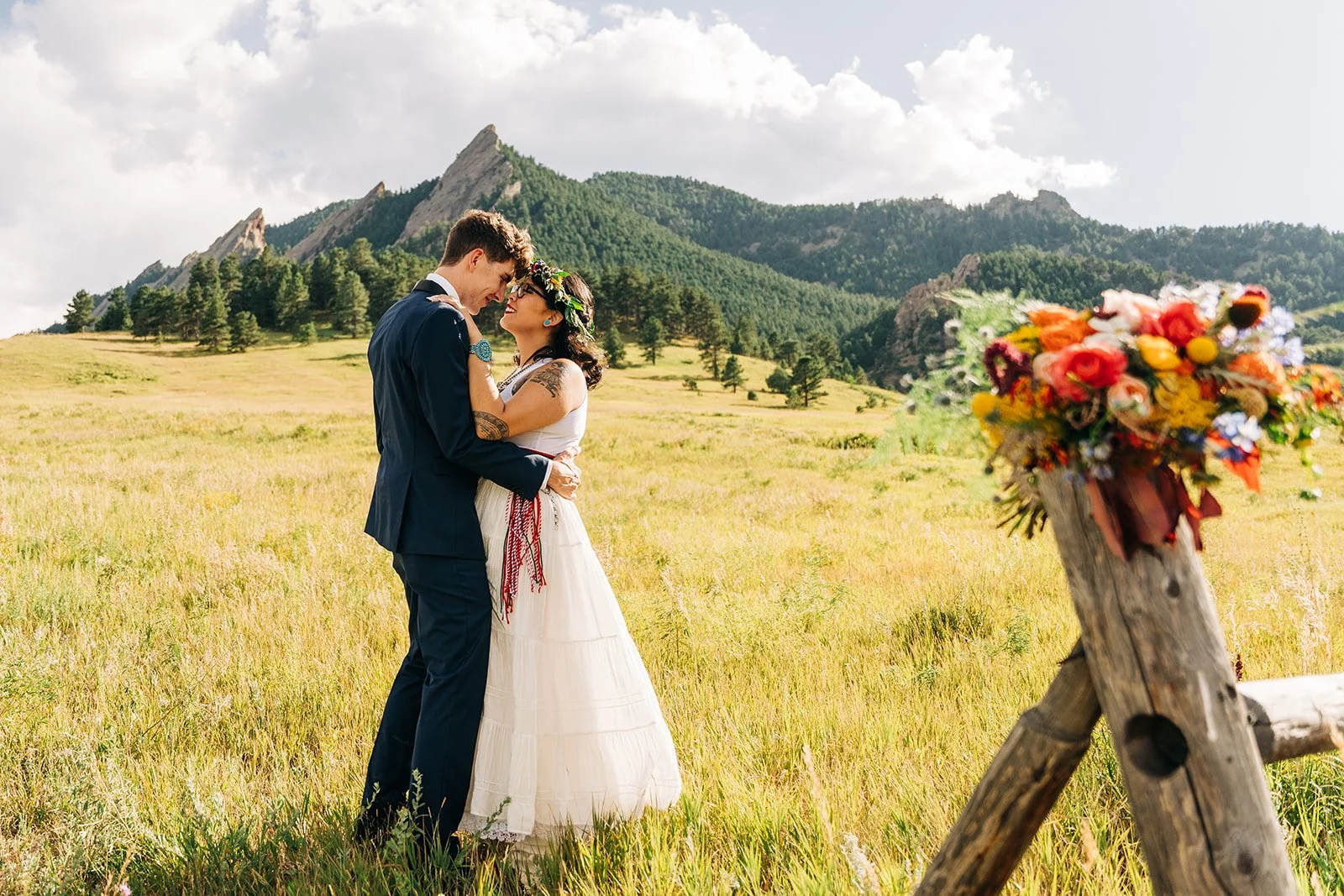
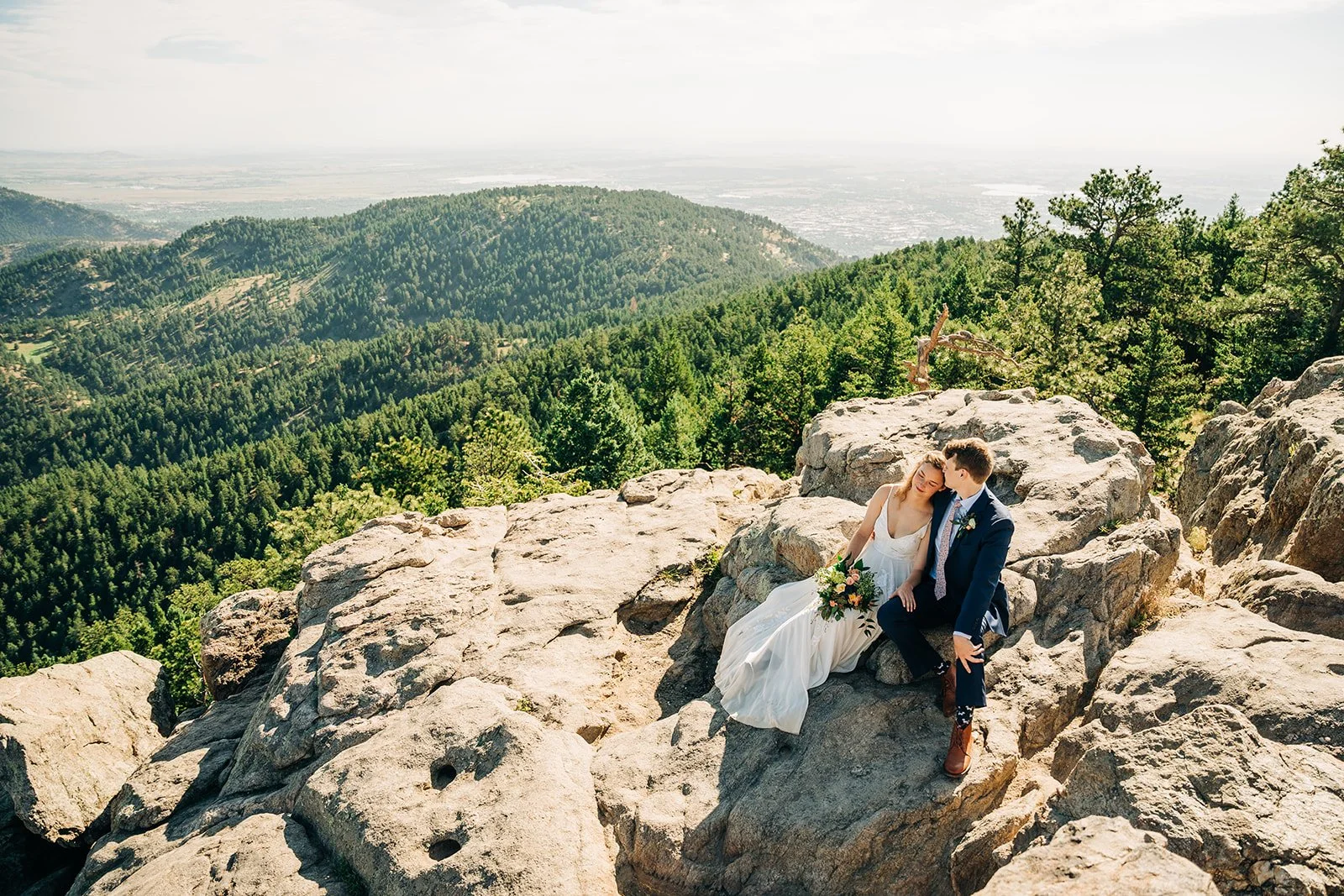
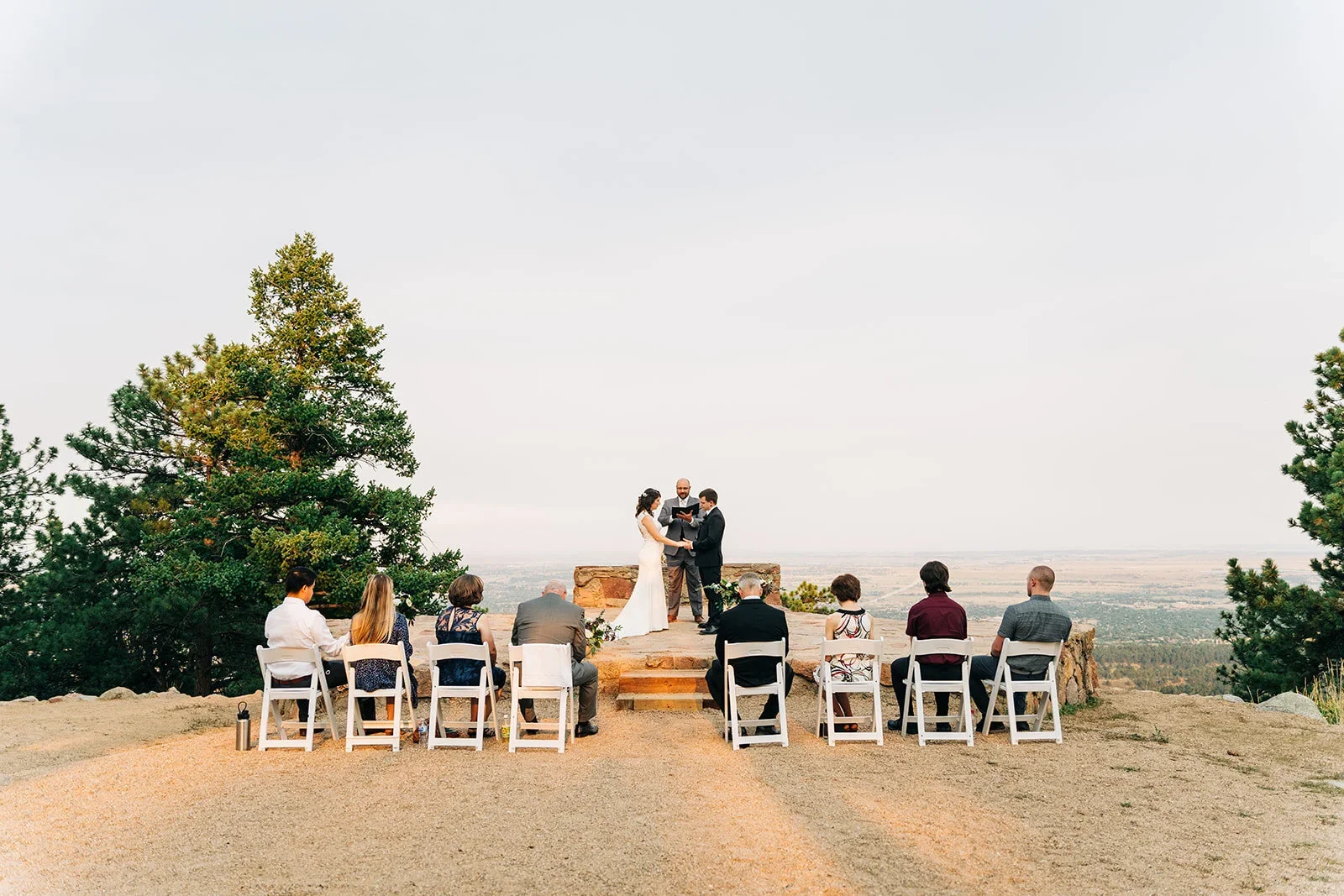
Boulder is one of the most popular areas in Colorado for small weddings and elopements, but it’s also one of the most regulated and frequently misunderstood. Many Boulder ceremonies take place on public land or at open-access viewpoints, which means couples need to think carefully about permits, crowd levels, timing, and how visible a ceremony will actually be. Boulder locations can be stunning, but they require more planning awareness than many couples expect.
The most popular season for Boulder small weddings and elopements runs from late spring through early fall, with summer weekends drawing heavy foot traffic at well-known spots. Early mornings and weekdays tend to offer the best balance of scenery and privacy. The biggest advantages of Boulder locations are dramatic Flatirons views, easy access from Denver, and iconic Colorado scenery. The tradeoffs are limited guest counts, shared public use, and the need to plan around hikers, tourists, and local regulations.
The guides below cover three of the most commonly considered Boulder-area locations for small weddings: Chautauqua Park, Sunrise Amphitheater, and Lost Gulch Overlook. Each guide explains how that location actually works for a ceremony, including permit requirements, realistic expectations for privacy, best times of day, and the pros and cons that aren’t obvious from photos alone.
Breckenridge Small Wedding & Elopement Guides
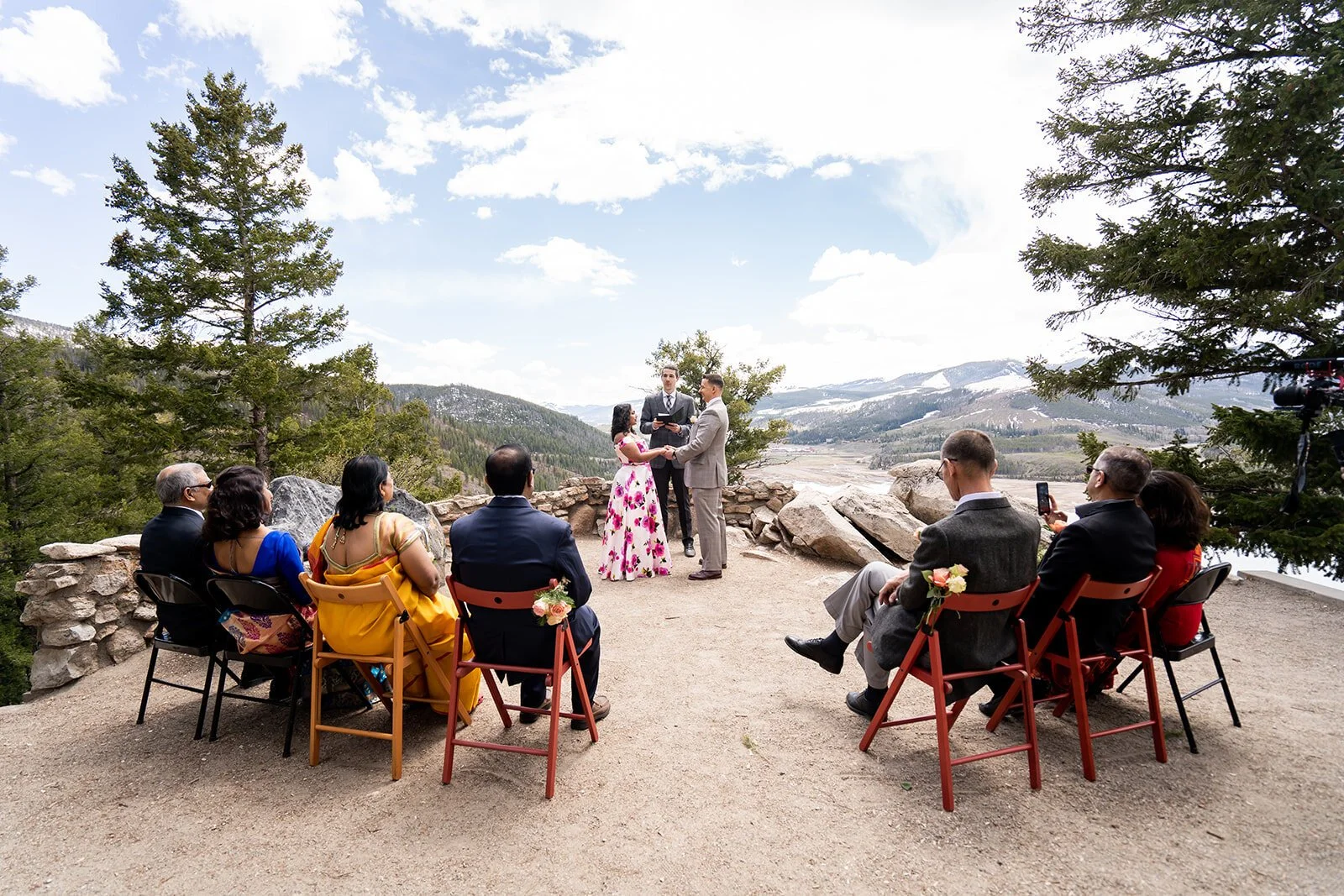
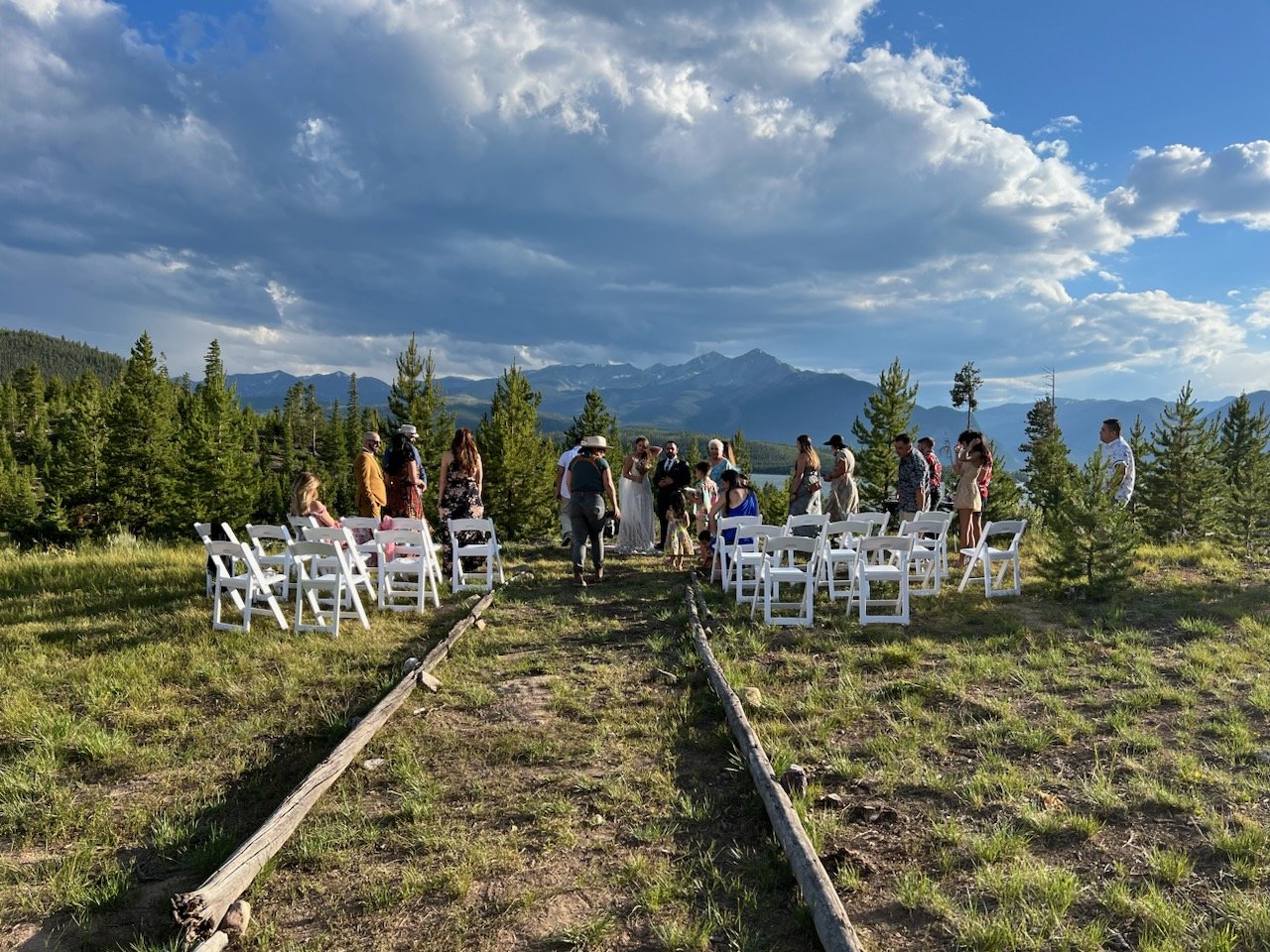
Breckenridge and Summit County are long-time favorites for couples looking for classic mountain scenery, alpine lakes, and easy access to high-elevation views. Most small weddings and elopements in this area take place at designated scenic overlooks or public recreation sites, which means planning decisions are closely tied to permits, group size limits, weather exposure, and seasonal access.
The most popular season for Breckenridge small weddings runs from late June through early fall, once snow has cleared and access roads are reliably open. Afternoon weather can change quickly at elevation, and wind is a common factor year-round. The biggest advantages of Breckenridge locations are dramatic mountain backdrops and well-known photo spots. The tradeoffs are stricter regulations, limited flexibility, and less margin for error compared to more private or urban venues.
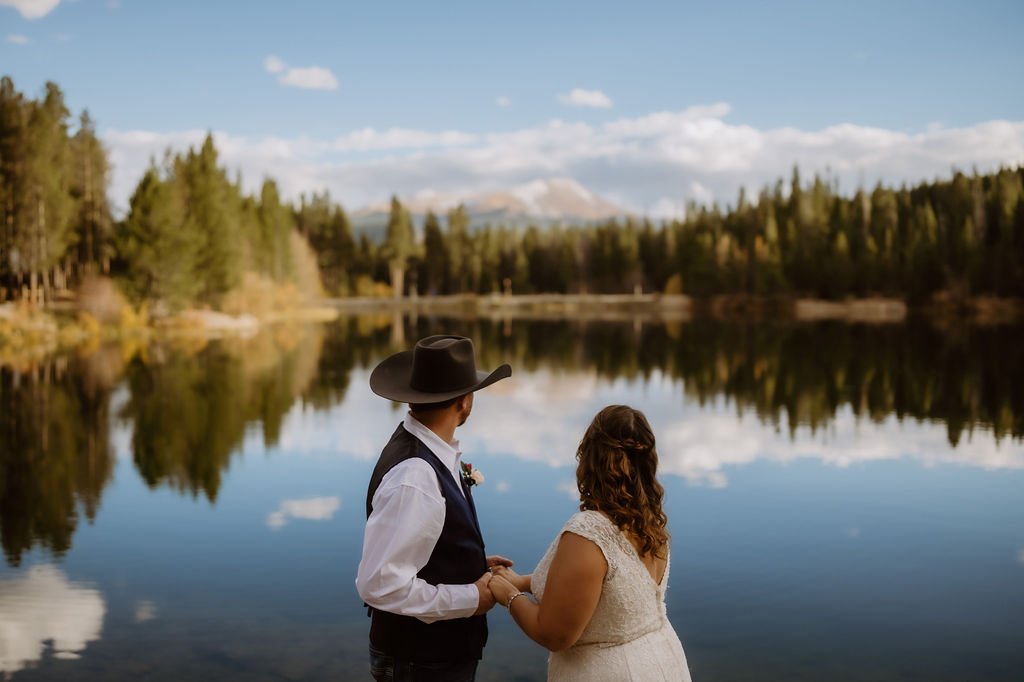
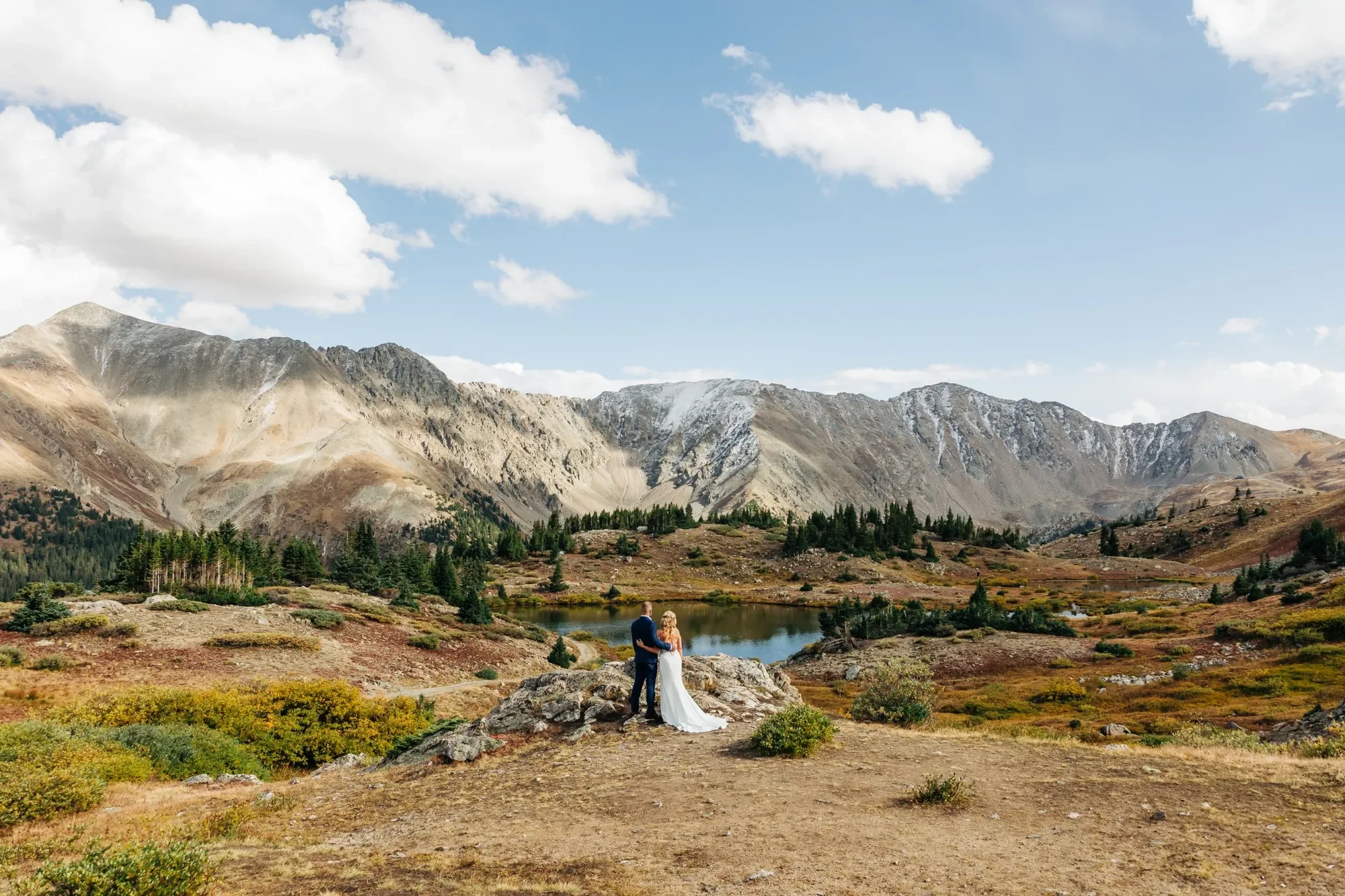
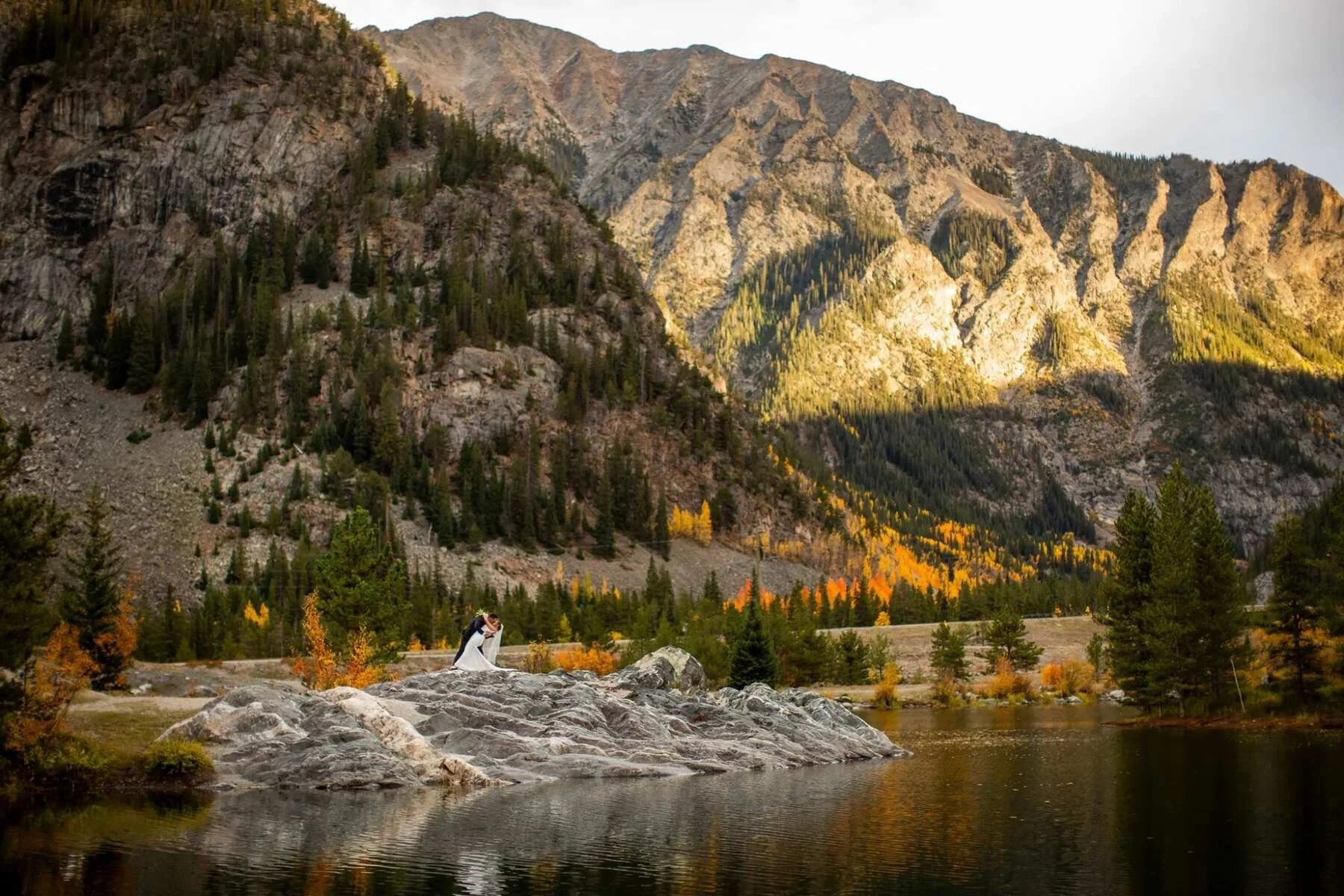
The guides below focus on the four Summit County locations couples ask about most often: Sapphire Point Overlook, Windy Point Campground, Sawmill Reservoir, and Loveland Pass. We also do weddings and elopements at Juniper Pass, though it has gotten very popular recently, and may not be the most comfortable. Sapphire Point was once one of the most popular small wedding locations in Colorado, but in recent years has added restrictions on parking that can be tough for some groups. Windy Point, on the other hand, remains a viable option for certain couples, especially those comfortable with exposed conditions and variable weather. Sawmill Reservoir, is a beautiful site, though the area is quite congested, and tough to find privacy. Loveland Pass, is also a busy spot, but has more room to hike and explore. Each guide explains how these locations currently operate, what’s changed in recent years, and whether they realistically make sense for a small wedding or elopement.
Colorado Springs Small Wedding & Elopement Guides
Colorado Springs is one of the most visually striking areas in the state for small weddings and elopements, largely because of its red rock formations and Front Range views. Many ceremonies here take place on public land or in highly visited parks, which means planning considerations often revolve around permits, shared public use, and realistic expectations around privacy. Locations in this area can be dramatic and accessible, but they require thoughtful timing and clear understanding of local rules.
The most popular season for Colorado Springs small weddings and elopements runs from late spring through fall, with summer weekends bringing heavy visitor traffic to well-known sites. Early mornings and weekdays are usually the best times for ceremonies, especially for couples hoping to minimize crowds. The biggest advantages of Colorado Springs locations are unique scenery and relatively easy access. The tradeoffs include limited ceremony windows, permit restrictions, and less flexibility compared to private venues.
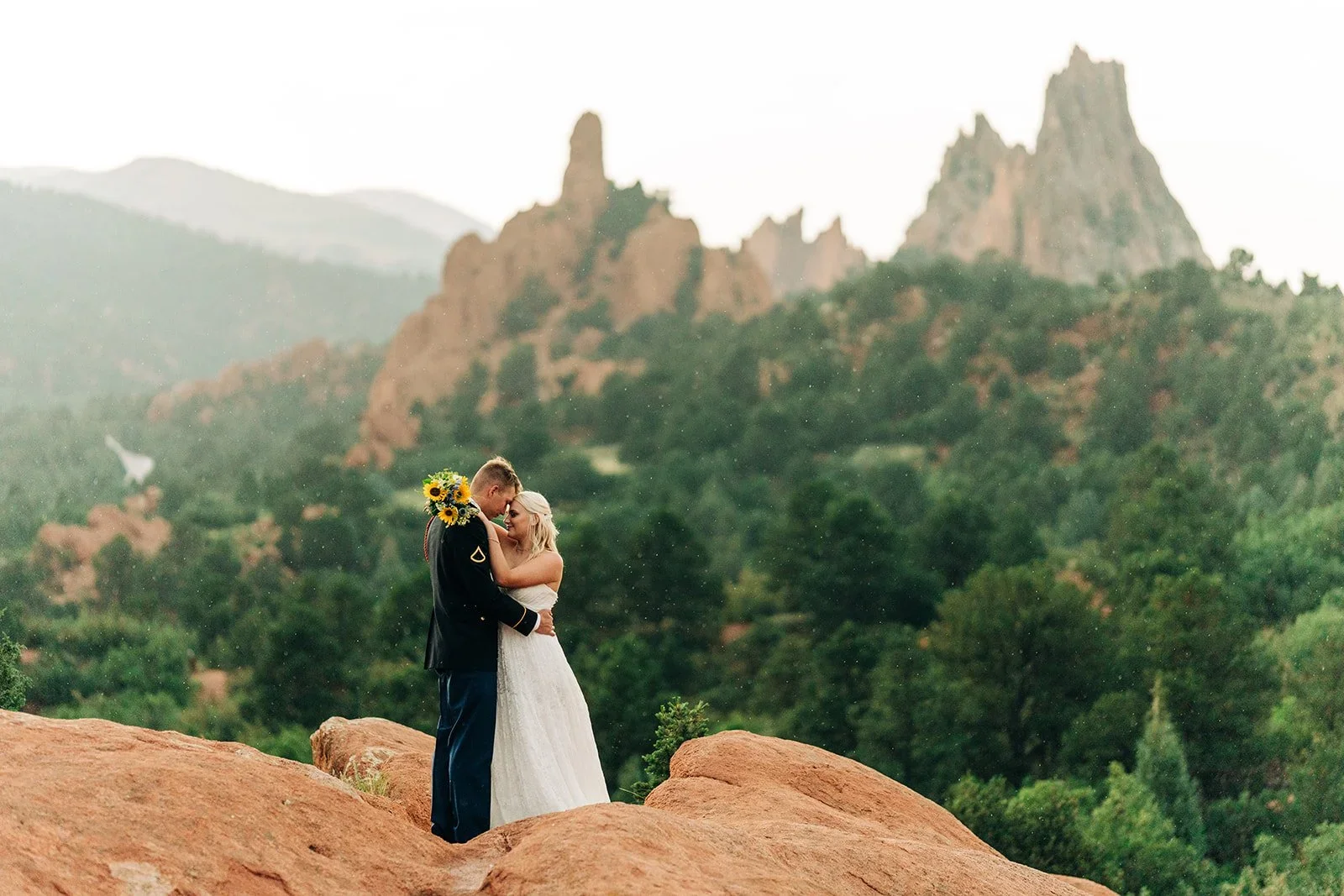
The guide below focuses on Garden of the Gods, one of the most frequently searched and most misunderstood wedding locations in Colorado. This guide explains how weddings and elopements actually work at Garden of the Gods, including permit requirements, designated ceremony areas, timing limitations, and what couples should realistically expect when planning a small ceremony there.
Estes Park & Rocky Mountain National Park Small Wedding & Elopement Guides
Estes Park and Rocky Mountain National Park are among the most iconic places in Colorado for small weddings and elopements, but they’re also some of the most tightly regulated. Most ceremonies in this area take place within the national park itself, which means planning revolves around federal permits, designated ceremony sites, guest limits, and strict time windows. These locations are incredibly scenic, but they leave very little room for improvisation.
The most popular season for Rocky Mountain National Park weddings runs from late spring through early fall, with peak demand during summer and early autumn. Weather can change quickly at elevation, and access restrictions, timed entry systems, and seasonal closures all play a role in planning. The biggest advantages of RMNP locations are dramatic alpine scenery, protected landscapes, and clearly defined ceremony areas. The tradeoffs include limited flexibility, firm rules, and the need to plan well in advance.
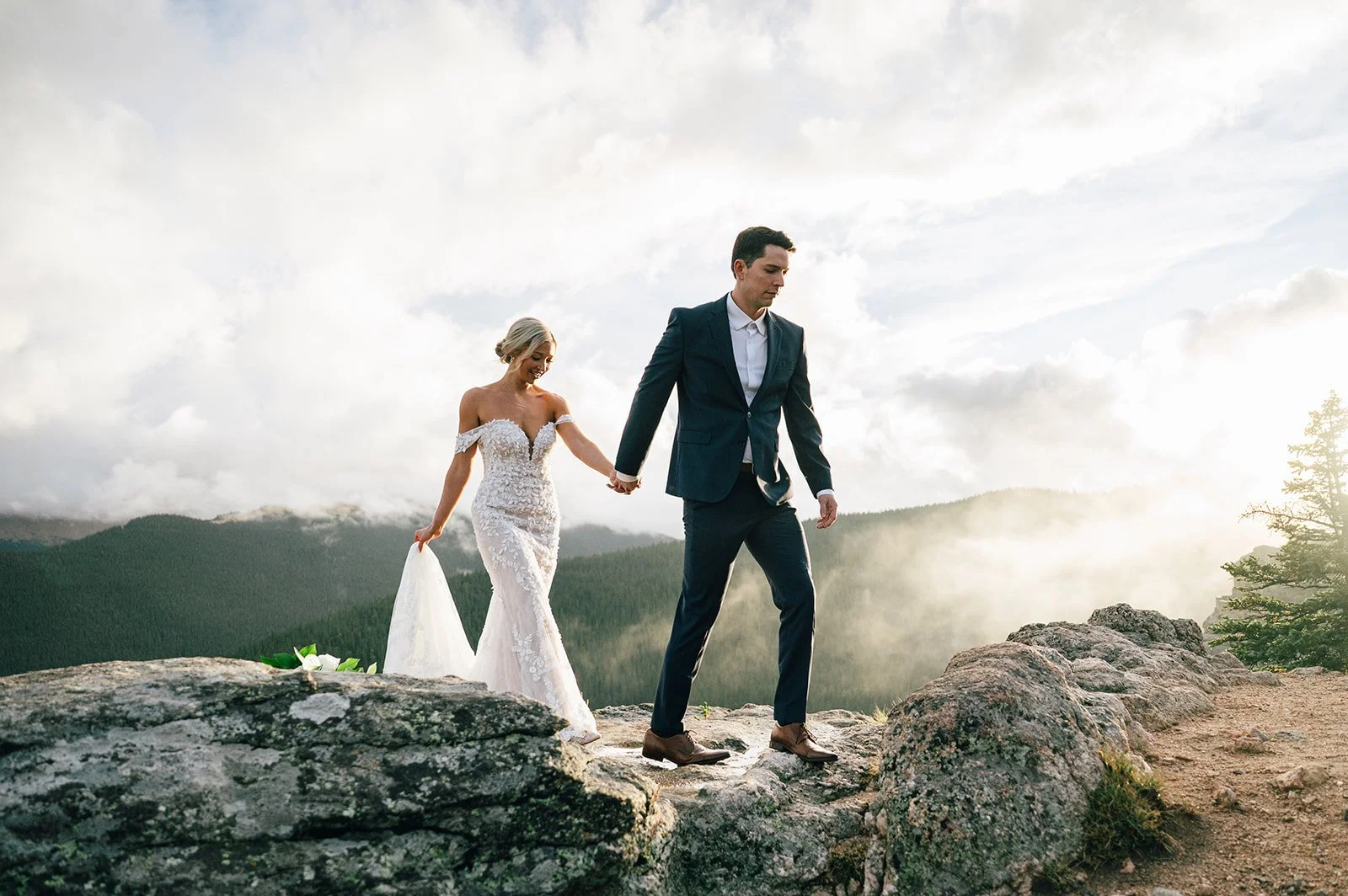
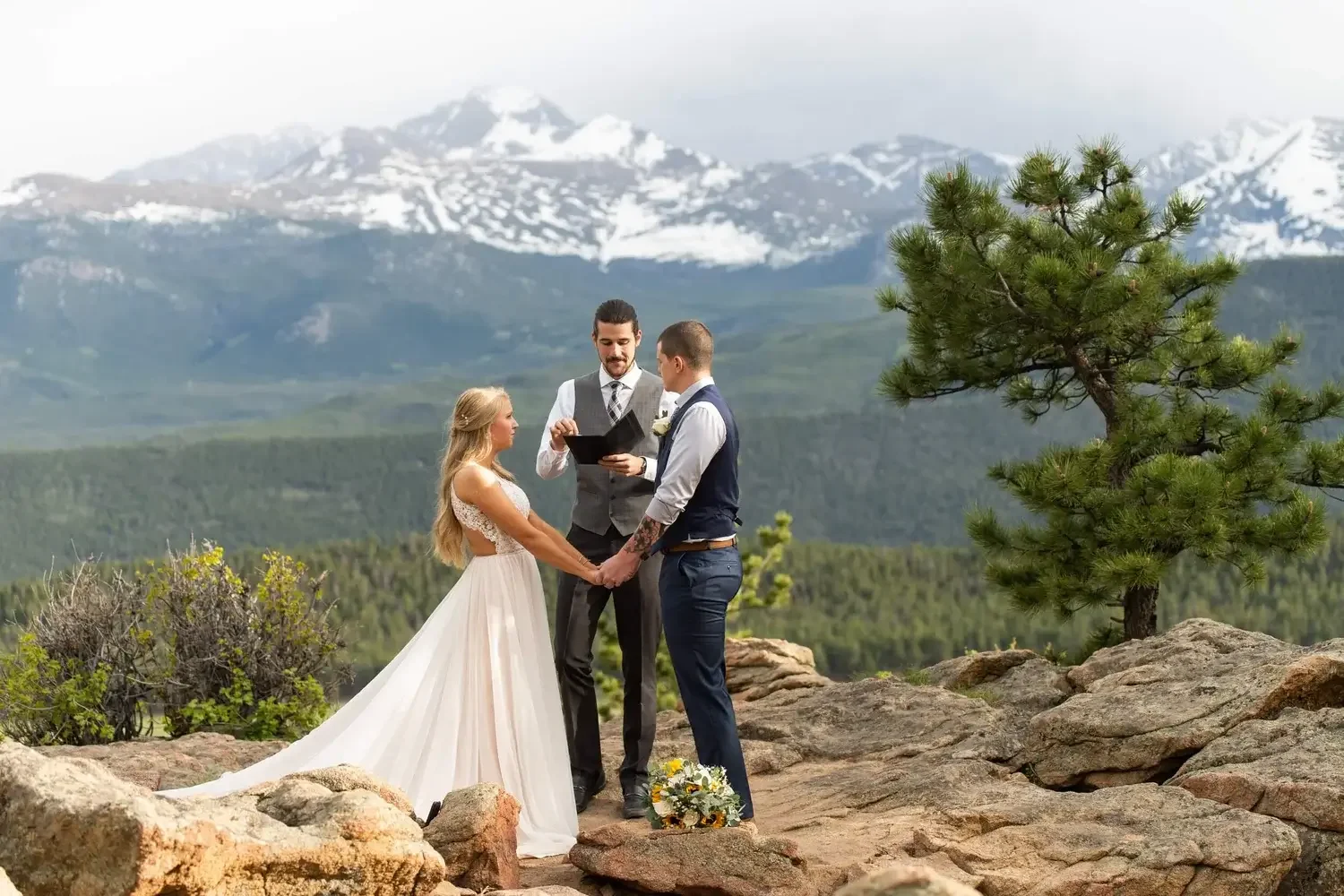
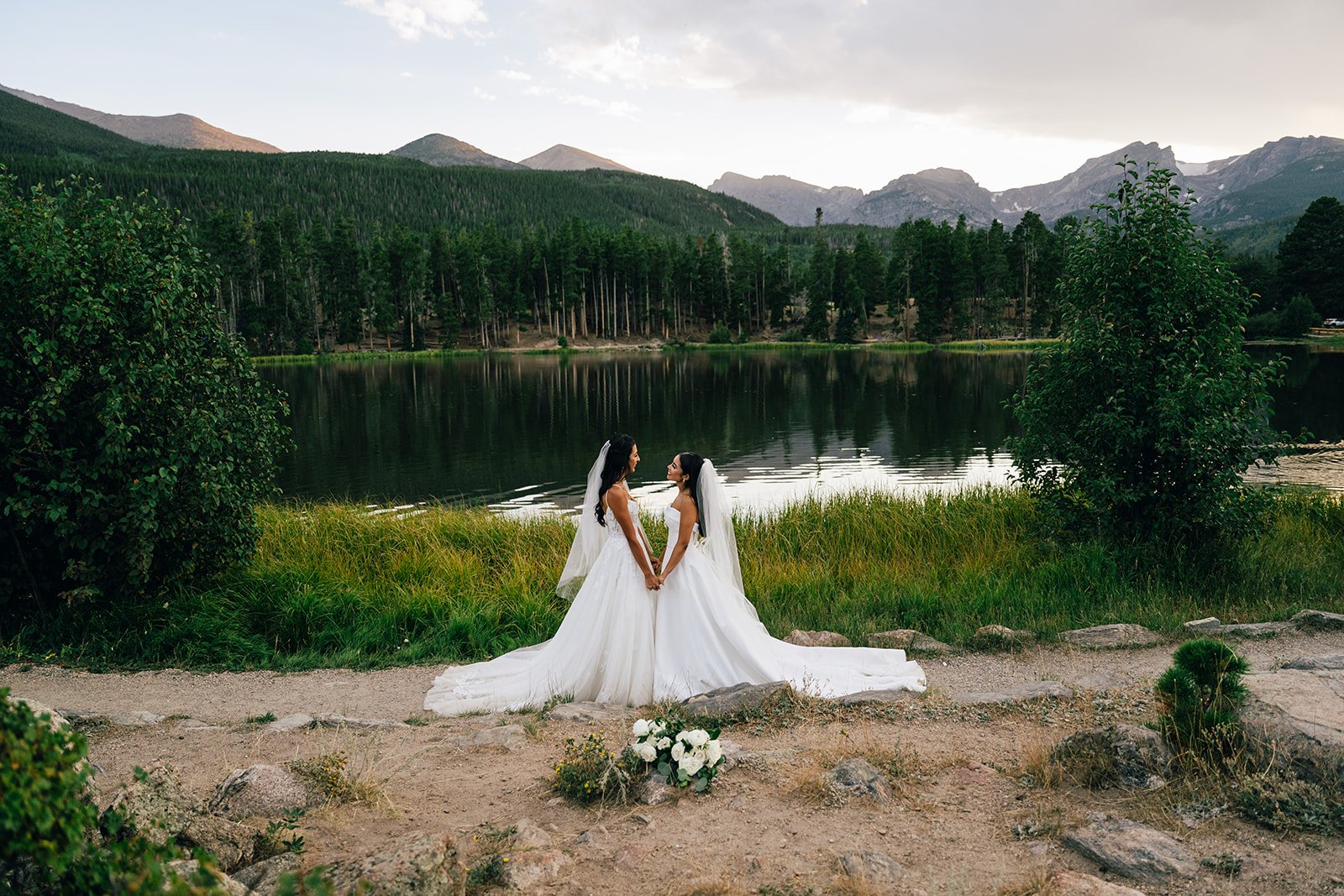
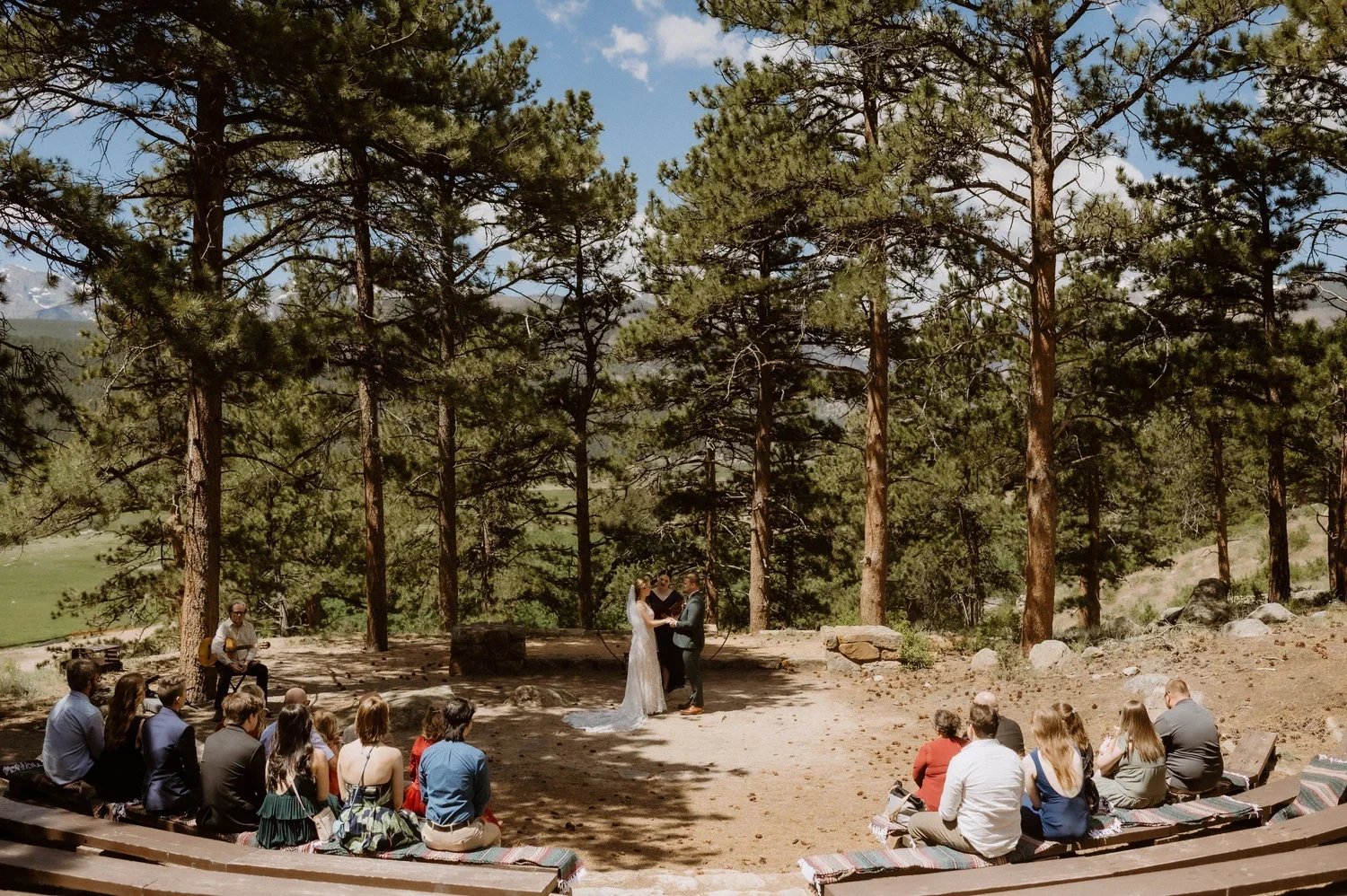
The guides below focus on several of the most commonly requested ceremony sites in and around Rocky Mountain National Park, including 3M Curve, Sprague Lake, Moraine Park Amphitheater, and Lily Lake. Each guide explains how that specific location works for a small wedding or elopement, including permit requirements, guest capacity, best times of day, accessibility considerations, and what couples are often surprised by when planning a ceremony there.
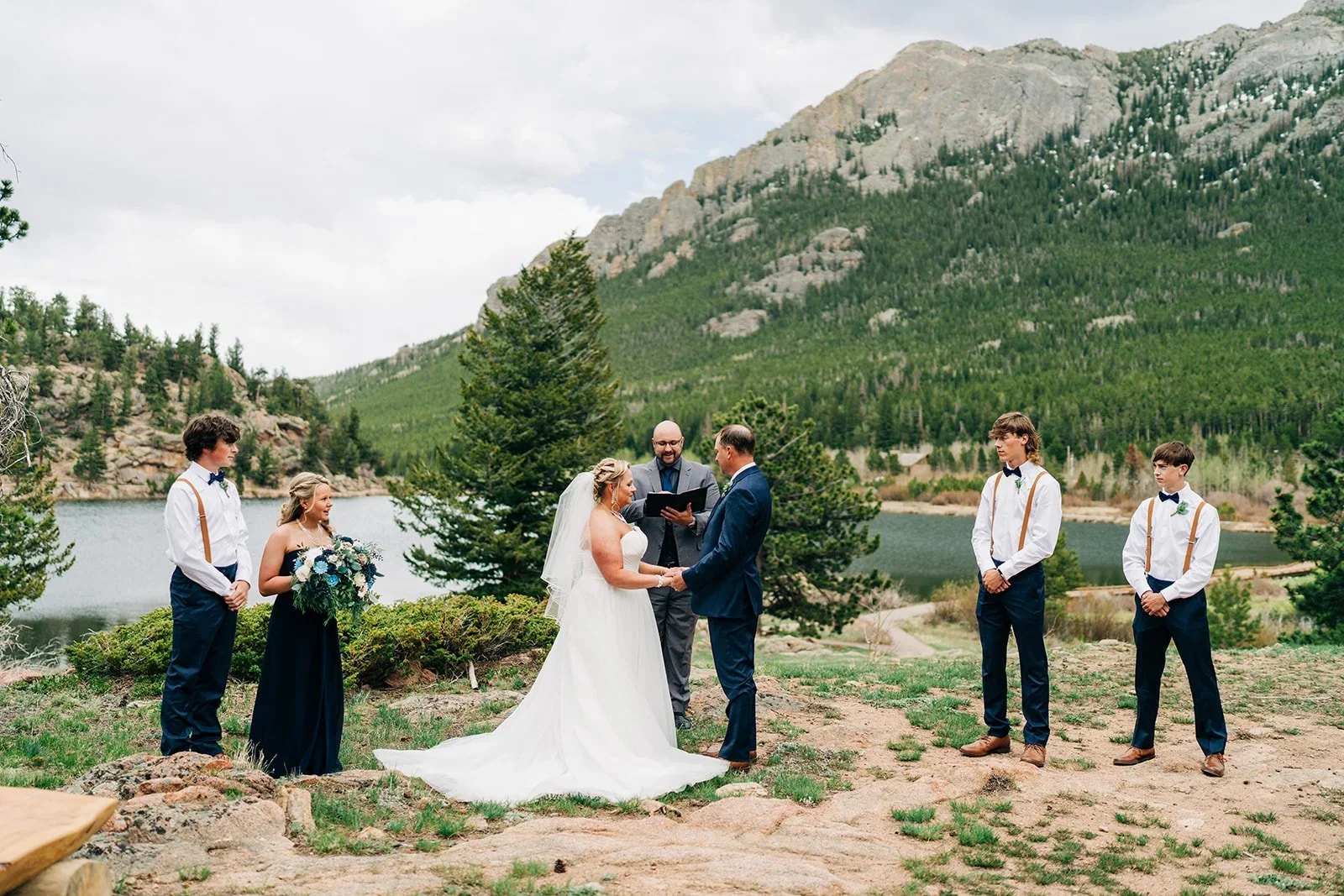
Aspen & Maroon Bells Small Wedding & Elopement Guides
Aspen and the surrounding Maroon Bells area are some of the most photographed small wedding and elopement locations in Colorado, but they’re also among the most controlled and logistically complex. Most ceremonies in this area are tied to specific sites with strict access rules, transportation systems, and seasonal restrictions, which makes advance planning especially important.
The most popular season for Aspen and Maroon Bells small weddings runs from late June through early fall, when snow has melted and shuttle access is fully operational. Fall color season brings especially high demand and tighter controls. The biggest advantages of this area are iconic scenery, well-maintained ceremony sites, and clear permit structures. The tradeoffs include limited flexibility, timed access, transportation logistics, and fewer options for spontaneous scheduling compared to other mountain locations.
The guides below focus on ceremonies in and around Aspen, with particular attention to the Maroon Bells Amphitheater. Each guide explains how these locations actually work for small weddings and elopements, including permit requirements, shuttle and access rules, guest limits, best times of day, and the practical considerations couples often overlook when planning in this area.
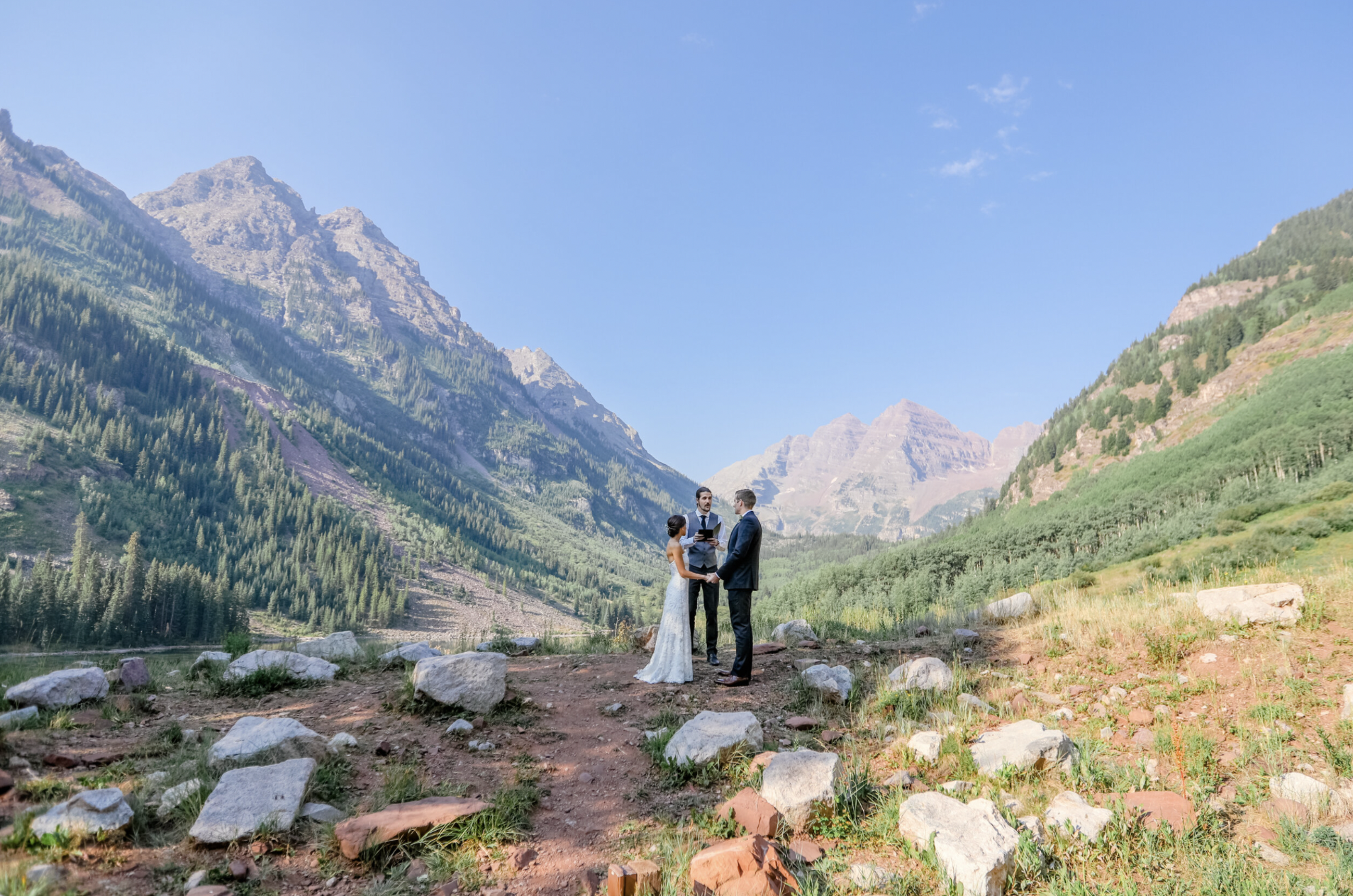
Colorado Hike-In Elopement Guides
Hike-in elopements in Colorado offer a quieter, more immersive experience than roadside or overlook locations, but they also come with additional planning considerations. These ceremonies typically require hiking to reach the ceremony site, which affects guest count, timing, accessibility, and what’s realistic to bring with you. Hike-in locations are often less crowded than popular viewpoints, but they demand more preparation and flexibility.
The best season for Colorado hike-in elopements is generally late June through early fall, depending on snowmelt, trail conditions, and weather patterns at elevation. Afternoon storms are common in summer, and access can change quickly based on conditions. The biggest advantages of hike-in locations are privacy, natural immersion, and fewer bystanders. The tradeoffs include physical effort, stricter limitations on guests and gear, and less margin for schedule changes.
The guide below focuses on Lake Isabelle, one of the most requested hike-in elopement locations in Colorado. This guide explains what couples should realistically expect when planning a ceremony there, including trail access, permit considerations, timing, seasonal conditions, and whether a hike-in elopement is the right fit for their priorities.
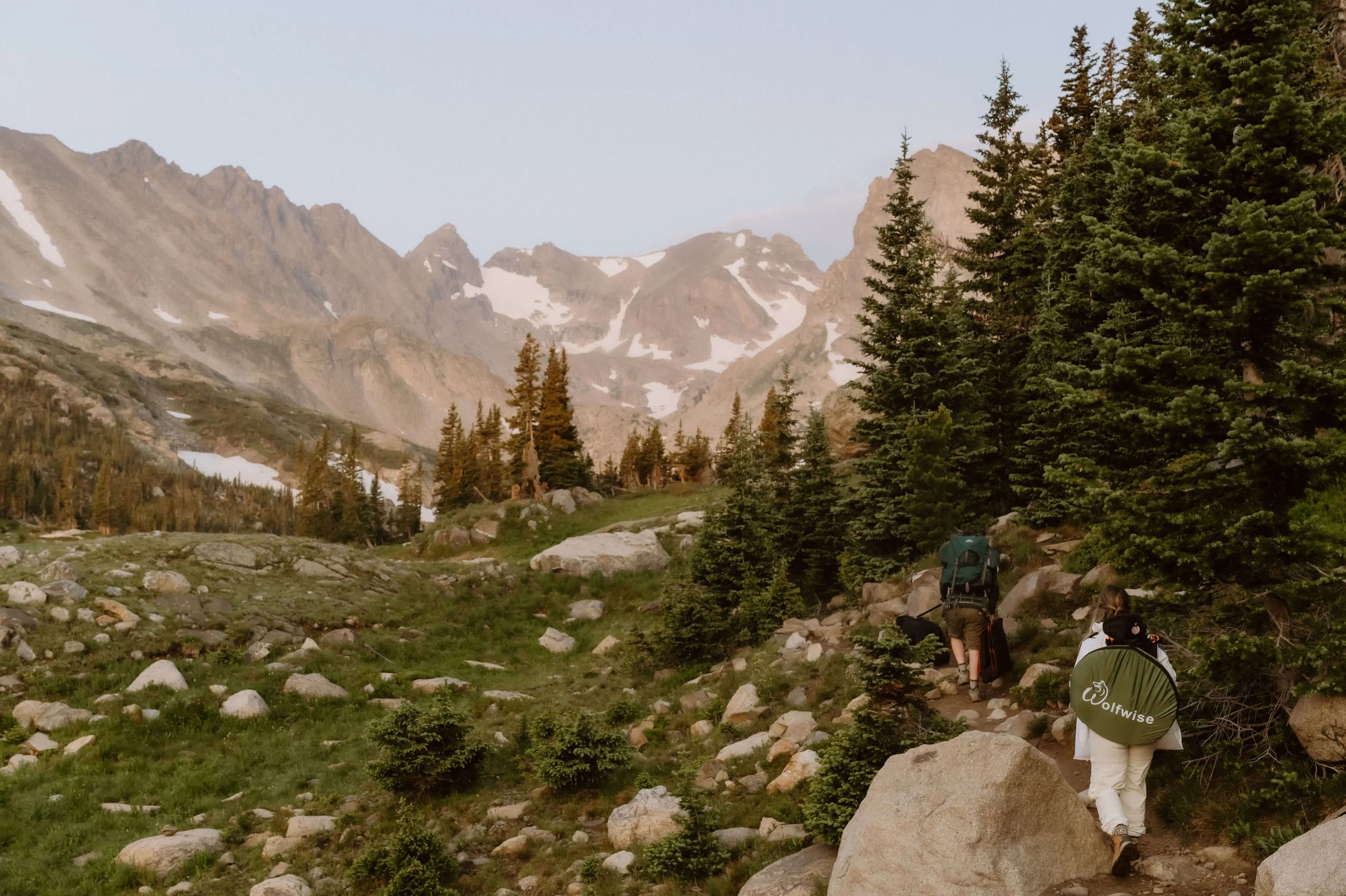
Other Location Guides!
Not every Colorado small wedding or elopement fits neatly into a single region or category. Some locations stand on their own due to unique rules, access considerations, scenery, or planning constraints that don’t align cleanly with nearby areas. This section includes additional Colorado wedding and elopement guides that don’t fall squarely into the regional groupings above, but are still commonly requested by couples.
These locations may vary widely in how ceremonies work — from permit requirements and seasonal access to crowd patterns and logistical limitations. Some are best suited for very small guest counts or specific times of year, while others appeal to couples looking for something a little different than the most popular, heavily photographed spots.
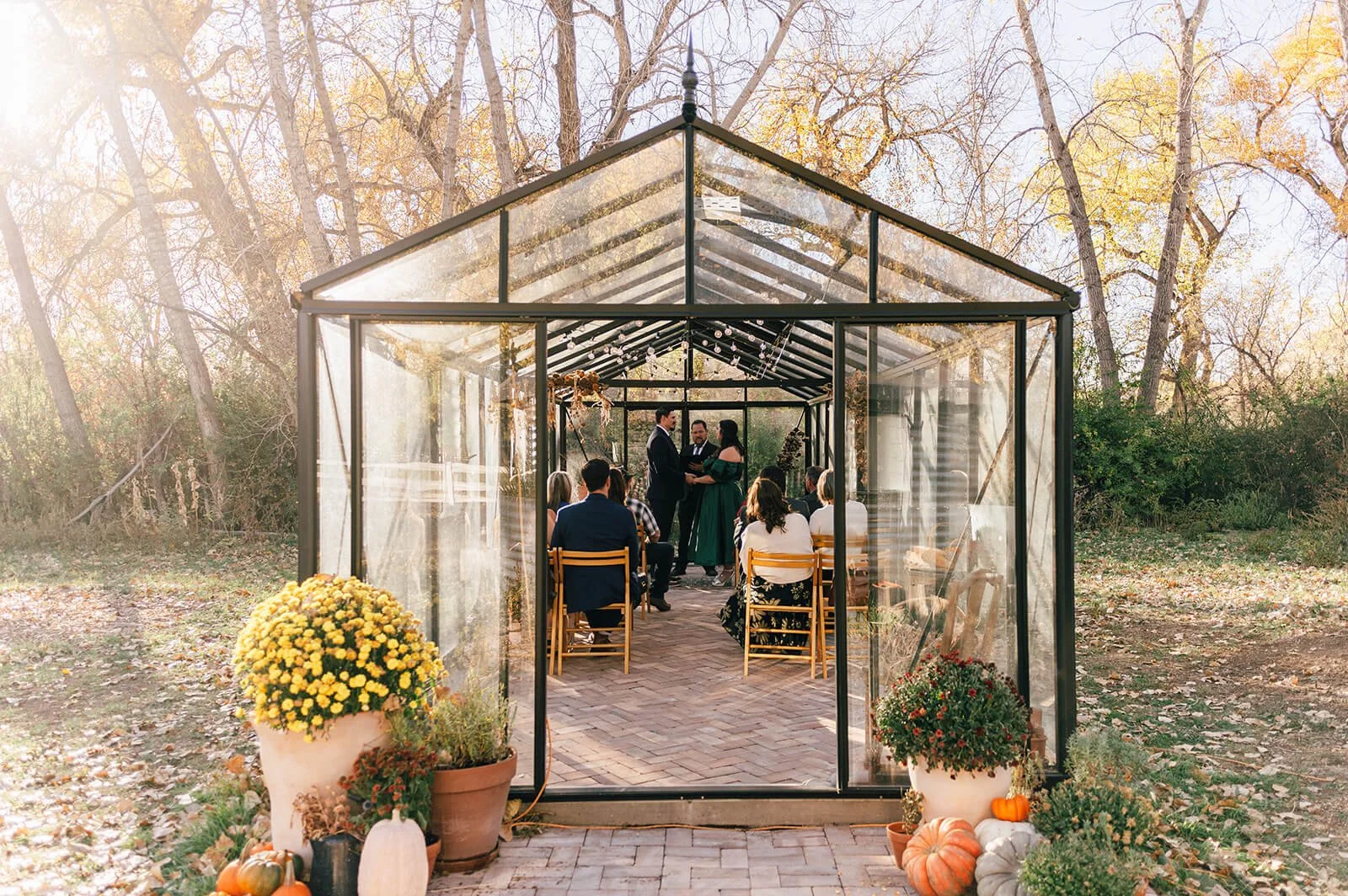
About These Guides
These Colorado small wedding and elopement guides are written and maintained by me, Iver Marjerison, a Colorado-based wedding planner and officiant who specializes in micro-weddings and elopements. Every guide on this page is based on locations where I actively work or have firsthand planning experience, not secondhand research or venue marketing materials.
Colorado wedding locations change frequently. Permit systems shift, guest limits are adjusted, access rules evolve, and popular sites can become more restrictive over time. These guides are updated to reflect how each location currently operates for small weddings and elopements, including changes that aren’t always obvious from official websites or older blog posts.
Nothing on this page is sponsored by venues, parks, or tourism boards. The goal of these guides is simply clarity. When a location is no longer a good fit for small weddings due to rule changes, crowding, or logistical challenges, that’s noted honestly. Likewise, when a location works well under specific conditions, those tradeoffs are explained so couples can make informed decisions based on their priorities.
These guides are written to help couples understand what’s realistic before choosing a location in Colorado — whether they’re planning independently or simply want a clearer picture of how different areas compare. They’re meant to provide context, reduce surprises, and help you make confident decisions early in the planning process.
Want Help Planning Your Colorado Elopement?
Colorado MicroWeddings
7+ Years | 300+ Happy Couples
The best small-wedding venues in Colorado.
A hand-picked team of the top vendors.
Everything you need for a beautiful and stress-free small wedding!
—Officiant (starting at $300)
—Photography (starting at $500)
—Videography (starting at $900)
—Flowers (starting at $100)
—Wedding Planner (starting at $500)
All-Inclusive | 100% Customizable | 0 - 80 Guests
Vendors | Venues | Marriage License | Permits | Dining | Lodging
Text or Email the word “Info”
720-598-2862
Iver@ColoradoMicroWeddings.com
Or Click Here to Learn More About Our Small-Wedding & Elopement Packages
